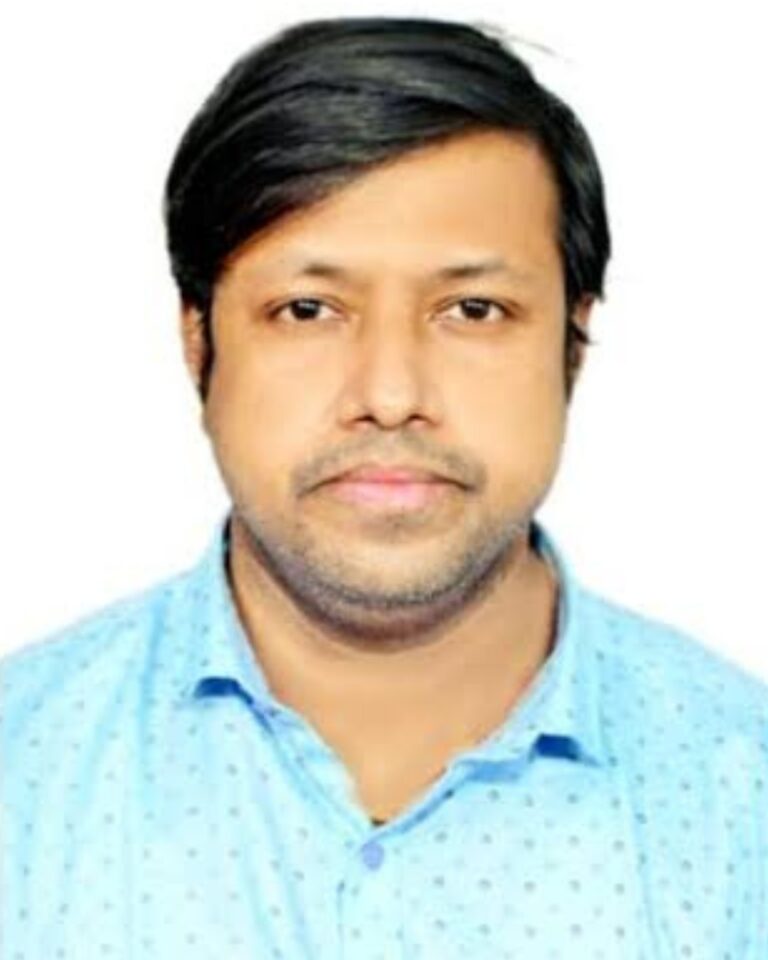
In a world where cultural narratives are often shaped by external forces, Rajiv Malhotra stands as a fierce defender of Hindu identity and Indian civilization. Born in New Delhi in 1950, this Indian-American author and intellectual has sparked global conversations with his provocative books and ideas, challenging Western interpretations of Indian culture. From a tech millionaire to a champion of dharma, Malhotra’s journey is one of resilience and purpose. This biography uncovers the life of a man reshaping how the world views Hinduism and why his work matters for preserving cultural heritage.
Early Life
Rajiv Malhotra was born on September 15, 1950, in New Delhi, India, into a family that valued education and cultural pride. Growing up in the vibrant capital, he was exposed to India’s rich traditions and complex socio-political landscape. His early years were marked by a curiosity about the interplay between tradition and modernity, a theme that would later define his work. Malhotra’s upbringing in a post-independence India instilled a deep sense of national identity, which he would carry into his global endeavors.
Education
Malhotra’s academic journey began at St. Stephen’s College, Delhi, where he studied physics, laying the groundwork for his analytical mindset. His thirst for knowledge led him to Syracuse University in the United States, where he pursued computer science in the 1970s, specializing in artificial intelligence. This blend of scientific rigor and technological innovation shaped his ability to approach cultural and philosophical issues with precision, a skill evident in his later writings on Hindu identity and global civilizations.
Career
Tech Trailblazer
Malhotra’s early career was a testament to his entrepreneurial spirit. After earning his degrees, he dove into the information technology and media industries, founding and managing multiple IT companies across 20 countries. By his early 40s, he was a self-made millionaire, leading 20 companies with a global footprint. Yet, at the peak of his success in 1994, at age 44, Malhotra made a bold decision: he retired from his for-profit ventures to focus on philanthropy and intellectual pursuits.
Founding the Infinity Foundation
In 1995, Malhotra established the Infinity Foundation in Princeton, New Jersey, to promote Indic studies and challenge Western academic narratives about Indian culture. The foundation has funded over 400 grants, including Columbia University’s project to translate the Tibetan Buddhist Tengyur. Through initiatives like the Swadeshi Indology Conferences and the History of Indian Science and Technology (HIST) series, Malhotra has worked to reclaim India’s intellectual narrative, emphasizing the importance of a unified Hindu identity. His foundation’s efforts have been praised for fostering a “Bharatiya drishti” (Indian perspective) in global academia.
Literary Impact
Malhotra’s books, such as Breaking India (2011), Being Different (2011), Indra’s Net (2014), and The Battle for Sanskrit (2016), have become touchstones for those exploring Hindu identity. His works critique Western universalism and advocate for a distinct Indian philosophical framework. Despite facing controversies, including plagiarism allegations in 2015 (which he addressed by revising references in Indra’s Net), Malhotra’s writings have influenced scholars and activists worldwide. His latest book, Artificial Intelligence and the Future of Power (2021), examines AI’s impact on India, showcasing his forward-thinking approach.
Personal Life
Little is publicly known about Malhotra’s personal life, as he prefers to keep it private, focusing attention on his intellectual contributions. Based in Princeton, New Jersey, he remains deeply connected to his Indian roots, often traveling to speak at conferences and universities in India and abroad. His commitment to dharma and cultural preservation drives his daily work, reflecting a life dedicated to ideas over personal spotlight.
Awards and Honors
Malhotra’s contributions have earned him significant recognition. In 2018, he was appointed an honorary professor at Jawaharlal Nehru University (JNU) in Delhi, where he delivered lectures on Sanskrit and Indic studies. He also serves as chairman of the Center for Indic Studies at the University of Massachusetts, Dartmouth, and is on the advisory board of the Indian Institute of Advanced Studies, Shimla. His work has been lauded by scholars like those at Trinity College, Toronto, for providing “a new pair of spectacles” to view Indian traditions.
Philanthropy
Rajiv Malhotra’s journey from tech mogul to cultural advocate is a powerful reminder of the impact one individual can have in preserving heritage. Through the Infinity Foundation, he has empowered scholars, funded groundbreaking research, and sparked a global movement to protect Hindu identity from misrepresentation. His work challenges us to question dominant narratives and embrace cultural pride. Learn more about his initiatives at the Infinity Foundation’s website or share your thoughts on how cultural identity shapes our future.