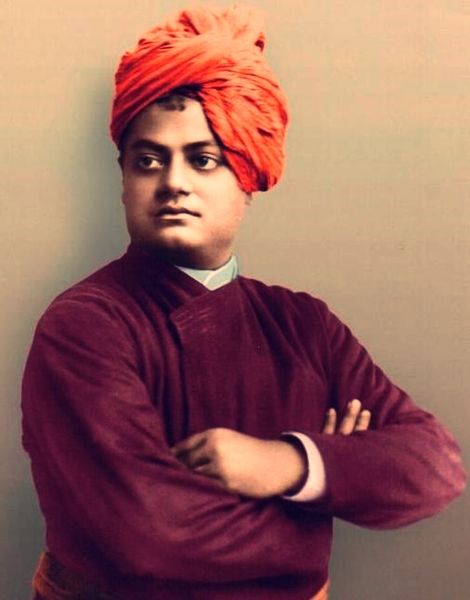
Ramana Maharshi, born Venkataraman Iyer on December 30, 1879, in Tamil Nadu, India, is one of the most revered spiritual teachers of modern India. Known for his profound simplicity and deep insights into the nature of the self, Ramana Maharshi’s teachings continue to inspire spiritual seekers around the world. His primary teaching, the practice of self-inquiry (Atma Vichara), guides individuals to understand their true nature through direct experience rather than intellectual reasoning.
Early Life
Ramana Maharshi was born into a Tamil Brahmin family in the village of Tiruchuli, Tamil Nadu. His family was devoutly religious, and young Venkataraman grew up with a strong sense of spiritual curiosity. At the age of 16, he experienced a profound spiritual awakening that transformed his life. While alone in his uncle’s house, he suddenly felt an intense fear of death. As he contemplated this fear, a deep realization arose within him: the body was not the true self, but merely a temporary vehicle. This experience led him to leave his home and embark on a solitary spiritual journey.
He traveled to the sacred hill of Arunachala in Tiruvannamalai, where he settled in a cave and began his spiritual practice. Ramana Maharshi’s early years were marked by deep meditation and silence, as he sought to understand the true nature of his being through introspection.
Spiritual Journey
Ramana Maharshi’s spiritual journey was characterized by his deep sense of inner stillness and direct realization of the self. His path of self-inquiry, or “Who am I?” inquiry, became the cornerstone of his teachings. Rather than engaging in complex rituals or philosophies, he emphasized the importance of introspection and direct experience as the means to uncover the truth of one’s existence.
After his spiritual awakening, he lived in silence for many years, with no interest in formal teachings or rituals. His reputation as a realized sage began to spread, and seekers from around the world traveled to Arunachala to be in his presence. Over time, Ramana Maharshi began to speak and answer questions, but he continued to stress that true understanding could only come from direct experience of the self.
Career and Contributions
Ramana Maharshi’s contributions to spiritual teachings were not through books or written works but through his direct transmission of wisdom to those who sought him. He was never an organized guru or leader; instead, he lived a life of solitude and simplicity, allowing his presence and teachings to speak for themselves. He emphasized self-inquiry and meditation as the means of realizing one’s true nature, encouraging his followers to ask the fundamental question, “Who am I?”
Over the years, a number of his teachings were transcribed and compiled by his devotees, creating a vast collection of spiritual writings and dialogues that continue to inspire. His most famous works include “Be As You Are,” a compilation of his teachings on self-inquiry, and “Talks with Ramana Maharshi,” which records his answers to the spiritual questions posed by visitors.
Ramana Maharshi’s influence expanded beyond India, as people from all over the world sought his guidance. His ashram in Arunachala, the Sri Ramanasramam, became a major spiritual center, attracting thousands of devotees. Even after his passing in 1950, his teachings continue to resonate globally through the efforts of his followers and through numerous organizations dedicated to his spiritual legacy.
Major Achievements
Ramana Maharshi’s most significant achievement is his direct realization of the nature of the self and his ability to guide others towards that realization. His life exemplified the practice of self-inquiry, and his teachings have had a lasting impact on both Indian and Western spiritual traditions. He is considered one of the greatest modern-day saints of India, and his teachings continue to be highly regarded by spiritual seekers worldwide.
His legacy is not just in the words he spoke but in the silent transmission of his being. Many who visited him spoke of his powerful presence, which had a profound impact on their spiritual development. Ramana Maharshi’s teachings, though simple, are considered timeless, offering a direct path to liberation that transcends all religious and philosophical boundaries.
Controversies
While Ramana Maharshi is generally regarded as a figure of profound wisdom and purity, there have been a few instances where his approach to spirituality has been questioned. Some critics of his teachings point out that his method of self-inquiry may be too difficult for certain individuals to practice effectively without the guidance of an experienced teacher. Additionally, his rejection of ritualistic practices and religious dogma has sometimes led to misunderstandings among those who are more attached to traditional religious structures.
However, these criticisms are relatively minor in comparison to the widespread reverence he commands. Ramana Maharshi’s simplicity, humility, and directness in his approach to spiritual awakening have made him an enduring figure in modern spirituality.
Personal Life
Ramana Maharshi led a simple and austere life, embodying the teachings he imparted to others. He lived in complete renunciation, and his personal habits were marked by discipline and simplicity. He spent most of his life in the sacred hill of Arunachala, with a small group of devoted followers. Although he did not seek to establish a formal organization, his ashram grew over time as his influence spread.
He was known for his calm demeanor, compassion, and sense of detachment. Despite his profound realization, he was approachable and kind to all who sought his guidance. His personal life was characterized by a deep sense of inner peace and tranquility, and he became a living example of his teachings.
Legacy and Influence
Ramana Maharshi’s legacy is one of timeless spiritual wisdom. His teachings on self-inquiry have influenced countless spiritual seekers across the world, and his impact on modern spirituality continues to be profound. Many contemporary spiritual teachers have cited him as an inspiration, and his emphasis on direct experience rather than intellectual knowledge resonates with individuals seeking a deeper understanding of their own consciousness.
The ashram in Arunachala remains a focal point for pilgrims and seekers, and the global community of followers continues to spread his teachings through books, retreats, and online resources. His life and teachings exemplify the power of inner transformation through self-awareness, and his influence continues to grow across cultures and spiritual traditions.
Conclusion
Ramana Maharshi’s life and teachings offer a direct and profound path to self-realization. His emphasis on self-inquiry as the core of spiritual practice provides a timeless guide for anyone seeking inner truth. Through his simple yet powerful approach, Ramana Maharshi has left an indelible mark on the world of spirituality, and his legacy continues to inspire seekers of truth across the globe.