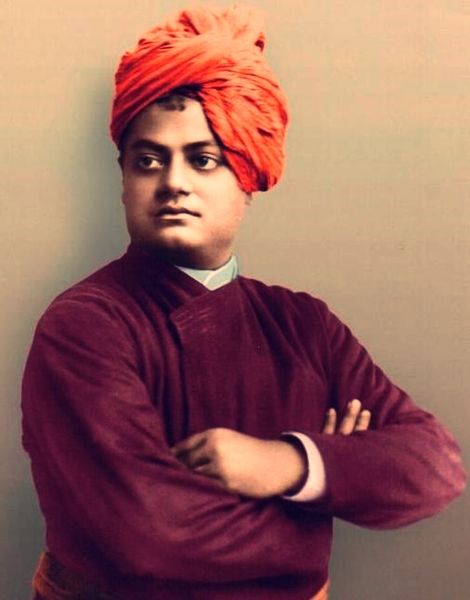
Osho, born Rajneesh Chandra Mohan Jain on December 11, 1931, in Kuchwada, Madhya Pradesh, India, was a controversial spiritual teacher, mystic, and founder of the Rajneesh movement. Known for his radical teachings on meditation, sexuality, and personal freedom, Osho became a prominent figure in the spiritual world during the 1970s and 1980s. His insights into the human mind, relationships, and spirituality challenged conventional norms and brought him both admiration and criticism globally.
Early Life
Osho was born into a well-educated Jain family. His early life was marked by curiosity and intense intellectual pursuit. From a young age, he questioned societal norms, religious doctrines, and authority. Despite his family’s religious background, Osho rejected traditional religious practices early on, preferring instead to explore the deeper meanings of existence. As a child, he was known for his inquisitive nature and his ability to challenge the ideas of his teachers and elders.
Osho’s formal education began in his hometown, and he later attended D. N. Jain College in Jabalpur, where he earned a degree in philosophy. It was during his university years that Osho began to delve deeper into spirituality, reading works by Western philosophers and Eastern spiritual masters. His philosophical outlook was shaped by a blend of ancient spiritual practices and modern scientific thought, marking the beginning of his path toward becoming a spiritual teacher.
Spiritual Journey
Osho’s spiritual journey began in earnest when he started traveling across India, meeting various spiritual teachers and practitioners. After spending several years in deep meditation, he attained a significant spiritual awakening, which led him to begin sharing his insights with others. He started giving public lectures in the 1960s, initially focusing on the problems of social conditioning, political structures, and religious dogma.
In the 1970s, Osho’s teachings began to attract more followers, and he opened the Osho Commune in Pune, India, in 1974. Here, he emphasized the practice of dynamic meditation, a technique he developed that combines intense physical activity with silent contemplation. His approach to meditation was revolutionary in its inclusiveness, focusing on releasing repressed emotions and breaking free from societal constraints.
Career and Contributions
Osho’s most significant contribution was his creation of the Osho International Meditation Resort, which attracted thousands of followers from around the world. Through his teachings, he sought to promote a new way of living, one that embraced freedom, creativity, and love. He taught that true spirituality is not about adhering to religious traditions but about experiencing life fully in the present moment.
Osho was known for his discourse on a wide range of subjects, from religion to love, from human psychology to politics. He criticized the hypocrisy in organized religions and advocated for a new kind of spiritualism that was non-dogmatic and non-traditional. His books, which number in the hundreds, cover topics such as meditation, mysticism, relationships, and the nature of the self. His most famous books include “The Book of Secrets,” “The Art of Living and Dying,” and “The Mustard Seed.”
In the 1980s, Osho’s movement gained significant international attention, with his followers establishing communes in various parts of the world, including the United States. However, this period was also marked by increasing controversy, particularly concerning the leadership of the Rajneeshpuram community in Oregon, USA, where Osho and his followers faced legal and criminal challenges. Despite these troubles, Osho’s influence remained strong, and he continued to inspire millions with his messages of freedom and self-awareness.
Major Achievements
Osho’s impact on spirituality and self-awareness was profound. His teachings, which integrated elements of Zen, Taoism, Sufism, and other mystical traditions, reached millions of people worldwide. His work on meditation and self-realization helped to create a new approach to spiritual practice that combined physical and psychological techniques with deep introspection.
Osho’s most notable achievement was the creation of the Osho International Meditation Resort, which continues to be a hub for people seeking a transformative experience. His books have been translated into dozens of languages, and his lectures are still available through audio and video recordings. His vision of a new world, free from the limitations of societal conditioning, has inspired a global following of people committed to personal and spiritual growth.
In addition to his spiritual teachings, Osho’s focus on sexuality, relationships, and human freedom was revolutionary. He spoke openly about the importance of embracing one’s sexuality and liberating it from guilt and shame, arguing that true freedom could only be achieved by transcending societal taboos. His teachings on relationships emphasized the importance of love, awareness, and personal growth rather than societal expectations or emotional dependency.
Controversies
Osho’s life and teachings were marked by controversy. His outspoken views on organized religions, politics, and sexuality often drew criticism from religious and political leaders. Perhaps the most notable controversy was the establishment of the Rajneeshpuram commune in Oregon, USA, in the 1980s, which became embroiled in legal disputes, criminal activities, and political conflicts.
The commune, led by Osho’s followers, was accused of orchestrating a series of criminal acts, including the infamous 1984 bioterror attack in which members of the commune deliberately poisoned salad bars in an attempt to influence local elections. Osho was arrested and deported from the United States in 1985, a major blow to his movement. While Osho himself was never convicted of any crimes related to the commune, the negative publicity significantly tarnished his reputation.
Despite these controversies, Osho’s followers continued to defend him, arguing that he was misunderstood and that his message was one of peace, freedom, and individual empowerment. His ability to transcend the conventional limitations of organized religions and his focus on meditation and personal growth have remained central to his appeal.
Personal Life
Osho’s personal life was deeply entwined with his spiritual philosophy. Despite being regarded as a guru by millions, he remained focused on his own spiritual quest and saw himself as a teacher rather than a traditional religious leader. His style of leadership was unconventional—he encouraged his followers to think for themselves and live without fear or guilt. He lived a solitary life in the latter years, spending much of his time in his private villa at the Osho International Meditation Resort in Pune, India.
Osho was known for his charismatic personality, wit, and sense of humor. His talks often blended profound wisdom with lighthearted humor, making his teachings accessible to people from all walks of life. Though his life was marked by controversy, Osho remained deeply committed to his vision of a world where individuals could live in freedom, love, and awareness.
Legacy and Influence
Osho’s legacy continues to resonate today. His teachings on meditation, self-awareness, and personal freedom have influenced a vast number of people worldwide. The Osho International Meditation Resort remains a thriving center for spiritual practice, attracting visitors from across the globe who come to experience his teachings and the methods he developed to transcend the mind and reach a higher state of consciousness.
Despite the controversies surrounding his life, Osho’s message of love, freedom, and mindfulness has endured. His books continue to inspire spiritual seekers, and his approach to life has led to the establishment of many Osho centers and meditation groups worldwide. He remains a polarizing figure, but his influence on modern spirituality, particularly in the West, is undeniable.
Conclusion
Osho’s life and teachings represent a bold, unorthodox approach to spirituality that continues to challenge and inspire. His emphasis on meditation, freedom, and personal awakening has left an indelible mark on the global spiritual landscape. While his controversial life and the criminal activities of his followers cannot be ignored, his message of love, compassion, and self-realization resonates with many people around the world who seek to break free from societal conditioning and experience true freedom in their lives.